Preparing Your Home
to Sell
A complete guide to decluttering, cleaning, repairing, staging, and preparing your South Jersey home for a successful sale.
Selling your home is more than listing it. The preparation you do beforehand can mean the difference between a quick, strong offer and months on the market with price reductions and frustrated showings.
Over the years, I have walked through hundreds of homes with buyers who are ready to make an offer within minutes of walking through the front door. And I have watched other homes sit on the market for weeks because the little things were overlooked. The difference is not always about how much money you spend on upgrades. It is about how well you prepare the home to be shown.
Buyers decide within the first 30 seconds whether a home feels right. That first impression is shaped by how clean the home is, how it smells, how much natural light comes in, and whether they can picture themselves living there. Every step in this guide is designed to help that first impression be a great one.
Whether you are selling in Moorestown, Mount Laurel, Medford, Cherry Hill, or anywhere else in Burlington County and South Jersey, these strategies work. Let us walk through every step together.
Decluttering: Less Is More
Decluttering is the single most important thing you can do to prepare your home for sale. It costs nothing, it makes every room look bigger and brighter, and it helps buyers focus on your home instead of your stuff.
Why Decluttering Matters to Buyers
When buyers walk into a cluttered home, they see your life, not their future. A counter covered in appliances, a bookshelf overflowing with knickknacks, and a closet packed to the ceiling all make the home feel smaller and less organized than it really is. Buyers cannot visualize their own furniture, their own decor, or their own daily life in a space that is filled with someone else's.
Clutter also signals to buyers that the home may not have been well maintained. If the visible areas are disorganized, buyers wonder what the less visible areas look like. It is an unfair association, but it is a real one.
Room-by-Room Decluttering Guide
Living Room
Remove half the items from shelves and coffee tables. Keep one or two decorative objects per surface. Store away family photos, collections, and personal memorabilia. Leave only a few tasteful books, a plant, or a simple centerpiece.
Bedrooms
Clear nightstands of everything except a lamp. Remove excess pillows and blankets from the bed. Clear closet floors and organize remaining items neatly. Store off-season clothing elsewhere to make closets look spacious.
Bathrooms
Remove everything from countertops. Store toothbrushes, soap bottles, and toiletries in a basket under the sink or in a cabinet. Clear the shower of all bottles. Keep only a fresh towel set, a decorative soap dispenser, and a plant or candle.
Kitchen
Clear countertops of all appliances except perhaps a coffee maker and a knife block. Remove magnets and papers from the refrigerator. Organize the pantry and remove expired items. Clean out the refrigerator and wipe down every shelf.
Entryway and Hallways
Remove coats, shoes, umbrellas, and bags. Store them in a closet or off-site. Clear the floor of any clutter. The entryway sets the tone for the entire showing, so keep it simple and welcoming.
What to Keep, Donate, Store, or Toss
Go through every room with four boxes labeled Keep, Donate, Store, and Toss. Be ruthless. If you have not used something in the past year and it has no sentimental value, it goes in the donate or toss box. The keep box should only hold the essentials you need for daily life during the listing period. Everything else goes into storage or out the door.
The Neutral Canvas Concept
Think of your home as a blank canvas. The goal is to remove enough of your personality that buyers can project their own life onto the space. That means removing family photos, children's artwork from the refrigerator, religious items, political memorabilia, quirky collections, and anything that is highly personal. A neutral home is not a cold home. It is a home that welcomes everyone who walks through the door.
Storage Unit Strategy
Renting a storage unit for 2 to 3 months is one of the smartest investments you can make when selling. A 10x10 unit in South Jersey typically costs $100 to $150 per month. It gives you a place to store excess furniture, boxes of personal items, off-season clothing, and anything else that makes your home feel crowded. You will be moving anyway, so you might as well get a head start. Plus, a home with less furniture looks larger, and larger homes sell for more.
Deep Cleaning: The Details Matter
A clean home tells buyers that the home has been cared for. A deep clean goes beyond your regular weekly routine and tackles every surface, every corner, and every overlooked spot.
Professional Cleaning vs DIY
You can absolutely deep clean your own home, and many sellers do a great job. But a professional cleaning service costs $200 to $400 for a typical single-family home, and they will notice things you have stopped seeing. Baseboards, ceiling fan blades, window tracks, behind the refrigerator, and inside the oven are all areas that professional cleaners tackle thoroughly. If your budget allows, hire a professional for a one-time deep clean right before listing. You will be surprised at how much difference it makes.
Areas Buyers Always Notice
Countertops, backsplash, stovetop, oven interior, refrigerator exterior and interior, sink and faucet, cabinet fronts, and handles. Buyers open every cabinet and drawer, so make sure they are clean and organized inside.
Toilets (inside and out), shower glass and doors, grout, mirrors, sinks, faucets, cabinet fronts, and exhaust fans. Grout that has changed color can be a dealbreaker for some buyers. Consider a grout cleaning or touch-up product.
This is the area that most sellers overlook and most buyers notice. Dusty or scuffed baseboards immediately signal that the home may not have been well maintained. Wipe down every baseboard, door frame, and window sill.
Odor Removal Tips
Smell is one of the most powerful factors in a buyer's decision. You may be nose-blind to the odors in your own home, but buyers will notice immediately. Pet odors, cooking smells, musty basements, and cigarette smoke are the most common culprits.
Start by removing the source. Deep clean carpets and upholstery, wash all fabric surfaces including curtains, and clean litter boxes daily. Use a bowl of white vinegar or baking soda in each room to absorb odors naturally. Avoid heavy air fresheners or scented candles, which can make buyers wonder what you are covering up. A clean, neutral-smelling home with a hint of fresh citrus or fresh air is ideal.
Window Cleaning Importance
Clean windows let in more natural light, and natural light is one of the top features buyers look for. Wash every window inside and out, including the screens. Clean window tracks and sills. In the spring and summer, clean windows can make the difference between a room that feels bright and inviting and one that feels dark and small.
The White Glove Test
Before you call your home ready for showings, do a white glove test. Run your finger along the top of door frames, window sills, behind the toilet, and on top of the refrigerator. If you find dust, keep cleaning. Buyers will touch these surfaces, and their home inspector certainly will.
Essential Repairs Before Listing
You do not need to renovate your entire home before selling. But you do need to fix the things that make buyers wonder if the home has been properly maintained. A few hundred dollars in minor repairs can prevent thousands of dollars in buyer concessions.
Minor Repairs That Make a Big Difference
Focus on the small things that are cheap to fix but noticeable to buyers. Fixing a leaky faucet, tightening loose cabinet handles, replacing cracked outlet covers, patching small holes in drywall, and re-caulking around tubs and sinks all signal that the home has been well cared for. These are the kinds of things buyers notice during showings and that inspectors call out in their reports.
Fix Leaky Faucets, Loose Handles, Cracked Tiles
Walk through your home with a notepad and write down every single thing that is broken, loose, cracked, or not working properly. A dripping faucet in the guest bathroom. A loose towel rack. A cracked floor tile in the laundry room. A door that sticks. A window that is hard to open. These are all fixable for very little money, and each one you fix eliminates a question mark in a buyer's mind.
Touch-Up Paint Throughout
Fresh paint is one of the highest-return investments you can make. You do not need to repaint the entire house. Focus on touching up scuffed walls, filling in nail holes, and painting over any marks or stains. If you have bold or unusual wall colors, consider repainting those rooms in a neutral tone. A fresh coat of paint in a warm white or light gray can make a room feel clean, bright, and updated.
In South Jersey's older homes, pay special attention to trim and baseboards. Many homes have decades of paint layers, scuffs, and chips. A fresh coat of white paint on trim can make an entire room look refreshed.
Light Bulb Replacement
Replace every burned-out light bulb in the house, and make sure all bulbs match in color temperature. A mix of warm and cool lighting in the same room looks sloppy and dated. Stick with warm white bulbs (2700K to 3000K) for a cozy, inviting glow. Make sure all fixtures are clean and dust-free, and consider adding lamps to dark corners to brighten up the space.
HVAC Service
Have your HVAC system serviced before listing. A clean, well-maintained system runs more efficiently, which means lower utility bills while you are showing the home. It also means one less thing for a home inspector to flag. Change the air filters, clean the condenser unit outside, and make sure the system is heating and cooling properly. A service call costs around $100 to $200 and is money well spent.
Curb Appeal: First Impressions Count
Buyers form their first impression of your home from the street, before they even step out of the car. A home that looks well cared for from the outside sets a positive expectation for the inside.
Landscaping Essentials
Mow the lawn, edge the walkways, trim the hedges, and pull every weed. Rake leaves, remove dead plants, and add fresh mulch to garden beds. In South Jersey, a well-maintained lawn is especially important because our wet summers and mild winters keep grass growing almost year-round. A neglected yard stands out.
Consider adding a few inexpensive potted plants or flowers by the front door. Annuals from a local garden center in Moorestown, Mount Laurel, or Medford cost less than $50 and add a welcoming pop of color.
Front Door Refresh
Your front door is the focal point of your home's exterior. If it is faded, peeling, or outdated, a fresh coat of paint can transform the entire look of the house. Stick with classic colors like black, navy, deep red, or a warm wood stain. Replace any worn hardware, including the doorknob, deadbolt, and house numbers. A $50 investment in new hardware and a can of paint can make your home look significantly more polished.
Power Washing Driveway and Walkways
A power washer can be rented for about $50 a day or hired out for $150 to $300. Pressure washing your driveway, walkways, front porch, siding, and deck removes years of dirt, mildew, and stains. It is one of the most dramatic and cost-effective improvements you can make. In South Jersey's humid climate, driveways and walkways can develop green algae and mildew that make the home look neglected. A few hours of power washing changes that completely.
Exterior Lighting
Good exterior lighting makes your home feel warm and inviting, especially for evening showings. Make sure all exterior light fixtures are working, clean, and have matching bulbs. Consider adding solar path lights along the walkway for a polished look. They cost less than $30 for a set and install in minutes.
Seasonal Curb Appeal Tips for South Jersey
Winter
Keep walkways clear of snow and ice. Add a fresh winter wreath to the door. Make sure exterior lights are on during shorter daylight hours. Clear icicles from eaves.
Spring
Clean up winter debris, add fresh mulch, plant spring flowers, and reseed bare spots in the lawn. This is the best time to sell in South Jersey, so make the exterior shine.
Summer
Keep the lawn watered and mowed. Add colorful annuals to flower beds. Keep the porch and walkways swept clean. Make sure the air conditioning unit is clear of debris.
Fall
Rake leaves regularly, add a fall-themed door mat or wreath, and plant mums for seasonal color. Clean gutters before the heavy rain season starts.
Staging Your Home
Staging is the art of presenting your home in its best possible light. It is about arranging furniture, adding tasteful decor, and creating a feeling that buyers want to experience every day.
Professional vs DIY Staging
Professional staging typically costs $500 to $2,000 for an initial consultation and monthly rental of furniture and decor. For many sellers, it is worth every penny. Staged homes sell faster and for higher prices, and professional stagers know exactly how to arrange furniture, what colors to use, and how to highlight your home's best features.
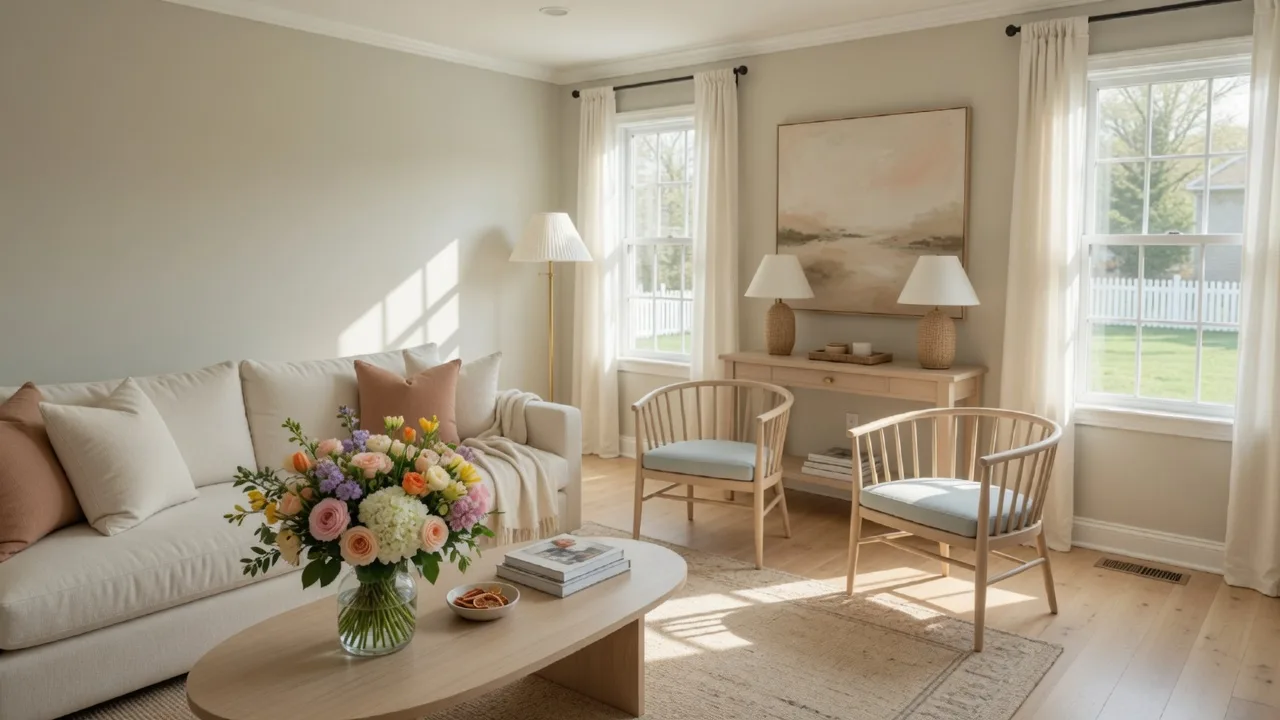
If professional staging is not in your budget, you can do it yourself. The principles are simple. Remove excess furniture, arrange what remains to create conversation areas, use neutral colors and textures, add fresh flowers or greenery, and make sure every room has a clear purpose.
Living Room Staging Essentials
Arrange the sofa and chairs to create a conversation area, not against the walls. Remove half the furniture to make the room feel spacious. Add a coffee table with a few books or a decorative tray. Use throw pillows in neutral tones with subtle texture. Make sure the room gets as much natural light as possible by pulling back curtains and opening blinds.
Bedroom Staging Tips
Make the bed with fresh, neutral linens. Use a simple duvet cover in white or cream. Add two or three pillows in varying sizes. Clear nightstands of everything except a lamp and perhaps a small plant or book. Remove personal photos from dressers and walls. Keep the floor clear of clutter and shoes.
Bathroom Staging
Bathrooms should feel like a spa. Display a fresh set of rolled towels, a simple soap dispenser, and a small plant or candle. Remove all personal products from the shower and countertops. Make sure the mirror is spotless and the toilet lid is down. A fresh white bath mat completes the look.
Kitchen Staging
Clear countertops completely except for one or two decorative items like a small vase of flowers or a bowl of fresh fruit. Remove magnets, papers, and photos from the refrigerator. Make sure the sink is empty and clean. Set out a cutting board with a knife and a few fresh ingredients for a lived-in but polished look.
Depersonalizing Without Making It Cold
There is a difference between depersonalized and empty. A depersonalized home feels warm and welcoming, but it does not feel like it belongs to someone else. The trick is to keep the warmth while removing the identity. Use neutral art, plants, books, and simple decor to create a sense of home without making it about your specific family. A coffee table book about New Jersey, a simple landscape print, and a few greenery elements can make a room feel lived-in without being personal.
Photography Prep
In today's market, the first showing of your home happens online. If your listing photos do not impress, many buyers will never schedule an in-person visit.
Why Professional Photos Matter
Homes with professional photography sell faster and for more money. Studies show that listings with professional photos receive 60 percent more views than those with amateur photos. Your real estate agent will almost certainly include professional photography as part of their marketing package, and it is one of the most important investments they make on your behalf.
Preparing Rooms for Photography
Before the photographer arrives, walk through every room that will be photographed. Make beds, fluff pillows, clear countertops, and hide cords and cables. Open all curtains and blinds to let in natural light. Turn on all lights to eliminate shadows. Remove pet bowls, litter boxes, and toys. Take out the trash. Make sure the toilet lids are down and the mirrors are streak-free.
Lighting Tips
The best real estate photography happens during golden hour, the hour after sunrise and the hour before sunset, when the light is soft and warm. Most professional photographers will schedule around this time. Make sure all lamps and fixtures have working bulbs with matching color temperatures. Turn off televisions and computer screens, which can create distracting glare in photos.
Removing Personal Items from Photos
Before the photographer arrives, remove any personal items that will be visible in photos. This includes family photos on walls and shelves, refrigerator art, prescription bottles on counters, mail, and any items with your name or address visible. Once a photo is online, it is out there forever. Take the time to make sure nothing personal is captured.
Showing Preparation
Once your home is on the market, every day is a potential showing day. The way you live in your home during the listing period has a direct impact on how quickly it sells.
Daily Routines During Listing Period
Make the beds every morning. Do the dishes immediately after every meal. Wipe down bathroom counters after each use. Keep the floors swept and vacuumed. Put away clothes, shoes, and personal items as soon as you are done with them. The goal is to be able to leave the house for a showing with 15 minutes or less of notice.
Quick Cleanup Before Showings
When you get a showing request, run through a quick checklist. Make the beds, wipe down bathroom counters, put away any dishes, take out the trash, fluff the pillows, open the curtains, turn on the lights, and leave. If you have a basket for clutter, toss everything in it and stash it in a closet or the trunk of your car. Five minutes of focused effort is usually enough.
Creating a Welcoming Atmosphere
Set the thermostat to a comfortable temperature. In summer, make sure the air conditioning is on. In winter, turn up the heat so the home feels cozy. Open curtains to let in natural light. If you want to add a subtle scent, use something natural like fresh citrus or vanilla. Avoid heavy scents or anything that smells artificial. Turn on soft background music if you like, but keep it neutral and low.
Pet Management During Showings
Pets should never be present during a showing. Many buyers are allergic to or afraid of dogs and cats. Even the friendliest dog can make a buyer uncomfortable. Remove your pets from the home during all showings. If that is not possible, confine them to a crate in a garage or a room that is clearly marked as off-limits. Remove all pet bowls, litter boxes, beds, and toys from visible areas. Clean up any pet odors from carpets and furniture.
Open House Preparation
Open houses require a deeper level of preparation. Give your home a thorough cleaning the day before. Remove valuables and secure any sensitive documents. Stage the home as if for photography. Set out refreshments, typically water bottles and a small bowl of mints or cookies. Make sure your yard is tidy and the walkway is swept. Open houses are also a chance for neighbors to see the home, so make sure the exterior looks its best.
Seller Checklist
Use this week-by-week checklist to stay organized and on track as you prepare your home for the market.
4 Weeks Before Listing
- Start decluttering every room. Rent a storage unit and move out excess furniture, seasonal items, and personal belongings.
- Schedule a pre-listing home inspection to identify any issues before buyers do.
- Get quotes for any needed repairs and schedule the work.
- Begin deep cleaning. Tackle one room at a time.
- Start packing items you will not need for the next month. Label boxes clearly.
- Meet with your real estate agent to review the marketing plan and timeline.
- Research and hire a professional photographer if your agent does not include one.
2 Weeks Before Listing
- Complete all major repairs. Touch up paint throughout the home.
- Schedule a professional deep clean if using one.
- Power wash the driveway, walkways, siding, and deck.
- Tackle landscaping. Mow, edge, trim, mulch, and plant flowers.
- Refresh the front door. Paint if needed and replace hardware.
- Replace all burned-out light bulbs with matching warm white bulbs.
- Service the HVAC system and change air filters.
- Clean all windows inside and out.
- Remove family photos, personal items, and valuables from view.
- Begin staging the home. Arrange furniture, add decor, set the tables.
1 Week Before Listing
- Do a final deep clean of every room. Focus on kitchens, bathrooms, and floors.
- Professional photography session. Make sure every room is perfectly staged.
- Walk through the home with your agent to identify any last-minute issues.
- Set up your daily showing routine. Practice leaving the house in 15 minutes.
- Make arrangements for pets during showings.
- Remove all valuables, jewelry, and sensitive documents from the home.
- Set up a clutter basket near the door for quick cleanups.
- Prepare a welcome packet with information about the home and neighborhood.
Day Before Listing
- Do a final walkthrough. Check every room for clutter, dust, and odors.
- Clean the kitchen and bathrooms one more time.
- Take out all trash and recycling.
- Set the thermostat to a comfortable temperature.
- Turn on all lights and open all curtains for showings.
- Make sure the lawn is mowed and the walkway is swept.
- Put out fresh towels in bathrooms.
- Add a simple floral arrangement or plant to the entryway or living room.
- Leave the house. Let your agent handle the rest.
Frequently Asked Questions
Honest answers to the questions homeowners ask most about preparing their home for sale.
How long does it take to prepare a home for sale?
Is professional staging worth the cost?
Should I be home during showings?
How much should I budget for pre-sale preparations?
Do I need to repaint the whole house?
What if I cannot afford major repairs before selling?
Related Homeowner Resources
These guides and resources will help you make informed decisions about your home.
Should You Replace Your Roof Before Selling?
A complete guide to help you decide whether to replace, repair, or disclose your roof when preparing to sell.
Read ArticleAsk Bob Your Home Prep Questions
Get a personalized answer from Bob about your specific home selling situation. No pressure, just honest advice.
Ask NowTrusted Home Service Partners
Every contractor in our network has been personally vetted by Bob. Find painters, cleaners, stagers, and more.
View Partners