
The Complete
Home Inspection Guide
Whether you are buying or selling, understanding the home inspection process helps you prepare, negotiate, and make informed decisions with confidence.
A home inspection is one of the most important steps in any real estate transaction. Whether you are buying your first home, selling a property you have lived in for decades, or somewhere in between, the inspection is where the true condition of the home comes to light.
Understanding what happens during a home inspection helps both buyers and sellers prepare for what comes next. For buyers, it is the moment when you learn whether the home you love has hidden problems. For sellers, it is the moment when you find out whether your home passes muster or needs attention.
Over the past decade of helping families buy and sell homes throughout Burlington County and South Jersey, I have walked through hundreds of inspections with my clients. I have seen it all: from homes that passed with flying colors to properties with foundation issues that changed the entire deal. This guide covers everything you need to know about home inspections, written for homeowners, not industry insiders.
What Inspectors Examine
A professional home inspection is comprehensive. Your inspector will examine every accessible area of the home, inside and out, and document the condition of all major systems and components. Here is what they look at.
Structural Components
The foundation is the most critical structural element of any home. Inspectors look for cracks, settling, bowing walls, water intrusion, and signs of movement. They also examine the framing, floor joists, roof trusses, and load-bearing walls. In South Jersey, foundation concerns are common because of the region's clay-heavy soil, which expands and contracts with moisture changes. This seasonal movement can cause foundation cracks that may be minor or may signal more serious issues.
Exterior
The exterior inspection covers siding materials, trim, windows, doors, grading around the foundation, and drainage systems. The inspector will check for rotting wood, gaps in siding, improper caulking, and any openings where water or pests could enter. Proper grading is especially important in South Jersey, where heavy rain can pool against a foundation if the ground slopes toward the house instead of away from it.
Roofing
The inspector will examine the roof covering materials, flashing around chimneys and vents, gutters, and downspouts. They look for missing or damaged shingles, signs of leaks, improper flashing installation, and gutters that are clogged or draining poorly. The age of the roof is a key factor. Asphalt shingle roofs typically last 15 to 30 years depending on the quality of the materials and installation. In South Jersey, hail and wind damage from summer storms are common issues that inspectors look for.
Plumbing
The plumbing inspection covers visible pipes, fixtures, water heaters, drains, and if an optional sewer scope is ordered, the main sewer line. Inspectors check for leaks, corrosion, water pressure issues, and the condition of exposed pipes. They test drains to make sure they flow freely. The age and condition of the water heater matter, since most water heaters last 8 to 12 years. A sewer scope is a separate service that uses a camera to inspect the main sewer line from the house to the street. In older South Jersey homes, clay or cast iron sewer lines can deteriorate over time and require expensive replacement.
Electrical
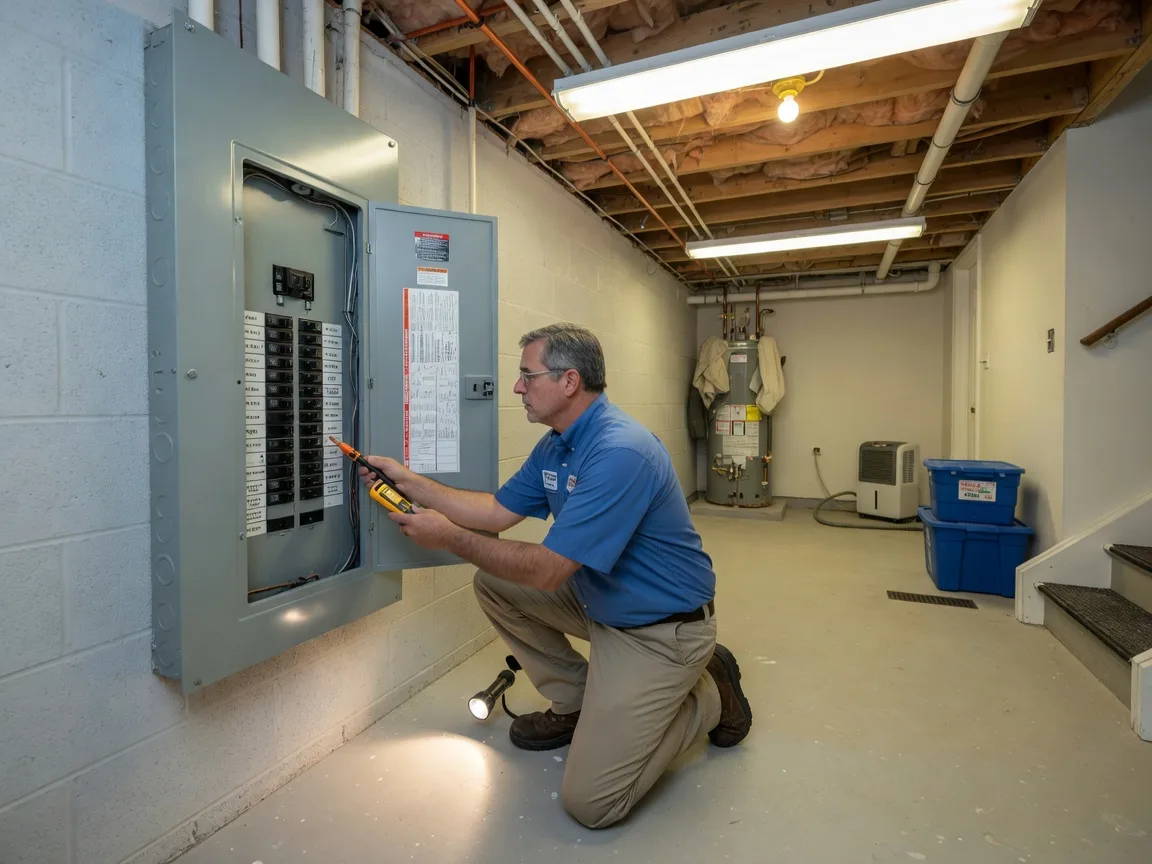
The electrical inspection covers the main panel, subpanels, wiring throughout the home, outlets, switches, and safety devices like GFCIs (ground fault circuit interrupters) in kitchens and bathrooms. Inspectors look for outdated wiring types, improper connections, overloaded panels, and safety hazards. In older South Jersey homes, knob-and-tube wiring, aluminum wiring, or undersized panels are common findings that often need attention.
HVAC Systems
The heating and cooling systems are thoroughly inspected. The inspector checks the furnace or heat pump, air conditioner, ductwork, thermostat, and visible components. They look for proper operation, signs of maintenance or neglect, the age of the equipment, and safety concerns like gas leaks or carbon monoxide risks. HVAC systems typically last 15 to 20 years for furnaces and 10 to 15 years for air conditioners. An HVAC system near the end of its lifespan is a common negotiating point.
Interior
Inside the home, inspectors examine walls, ceilings, floors, windows, and doors. They look for cracks, water stains, signs of settling, improperly operating windows, and doors that do not close properly. They also test a representative sampling of windows and doors to make sure they open, close, and lock correctly.
Insulation and Ventilation
The inspector checks the attic and crawl spaces for adequate insulation and proper ventilation. Poor insulation leads to energy loss and higher utility bills. Inadequate ventilation in the attic can cause moisture buildup, leading to mold growth and premature roof deterioration. In South Jersey's humid climate, ventilation is especially important.
Fire Safety
Inspectors test smoke detectors and carbon monoxide detectors to make sure they are present and operational. They also look for fire hazards such as improper electrical connections, blocked chimneys, and combustible materials stored near heating equipment. New Jersey law requires smoke alarms on every level and outside sleeping areas, and carbon monoxide detectors near sleeping areas.
Common Inspection Findings
After hundreds of inspections, certain issues come up again and again. Understanding what inspectors find most often helps buyers know what to look for and sellers know what to fix before listing.
Missing or Non-Functioning GFCIs
Ground fault circuit interrupters are required in kitchens, bathrooms, garages, and outdoor outlets. Many older homes lack them entirely, or they are installed but no longer functioning. This is a safety issue, not a cosmetic one, and it is one of the most common inspection findings in every market.
Roof Damage or Aging
Missing shingles, curling shingles, or a roof that is clearly past its expected lifespan is a top finding. In South Jersey, storm damage from wind and hail accelerates roof wear. A roof with 5 or fewer years of life remaining is a common negotiating item.
Improper Grading and Drainage
South Jersey's rainy climate makes grading one of the most critical inspection items. Soil that slopes toward the foundation instead of away from it can lead to basement or crawl space moisture problems. This is a frequent finding that is usually fixable with regrading and gutter improvements.
Outdated or Unsafe Electrical Panels
Federal Pacific Electric (FPE) panels, Zinsco panels, and older fuse boxes are common in pre-1980 homes in Burlington County. These panels are considered fire hazards by many professionals and often need replacement, which costs $1,500 to $3,500.
Water Heater Issues
Rust, corrosion, improper venting, and units past their expected lifespan are common findings. A water heater more than 10 years old with visible rust should raise a red flag, since failure is likely imminent.
HVAC System Age and Condition
Heating and cooling systems near or past their expected lifespan are frequently flagged. Even if the system is functioning, inspectors note the age and condition so buyers know replacement may be needed soon. A 15-year-old furnace that still runs is not necessarily a problem, but it is a negotiating point.
Plumbing Leaks and Corrosion
Visible leaks under sinks, around toilets, and at the water heater are common. Corroded pipes, especially in older homes with galvanized steel plumbing, appear frequently. In South Jersey, older homes may have lead service lines, which require specialized testing.
Attic Ventilation and Insulation
Inadequate attic insulation and poor ventilation are common, especially in older homes. This leads to higher energy costs, ice dams in winter, and moisture problems that can cause mold and rot.
Window and Door Issues
Windows that are painted shut, have broken seals, or are difficult to operate are common findings. Doors that do not close or latch properly often indicate settling or foundation movement. In South Jersey's humidity, wooden windows and doors can swell and warp.
Missing Smoke and CO Detectors
Missing or non-functional smoke detectors and carbon monoxide detectors are surprisingly common. This is an inexpensive fix, but it is a safety issue that every inspection flags. New Jersey law requires detectors on every level and outside all sleeping areas.
What Buyers Should Expect
If you are buying a home, the inspection is your opportunity to learn everything about the property before you commit. It is one of the most valuable steps in the home buying process.
How Long an Inspection Takes
A standard home inspection takes 2 to 4 hours. A 2,000-square-foot home in average condition typically takes about 3 hours. The time depends on the size of the home, its age, the number of systems, and whether there are additional structures like a detached garage or a finished basement. Plan for the inspection to take the better part of a morning or afternoon and avoid scheduling other important appointments that day.
Whether to Attend the Inspection
Yes. Attend the inspection. This is the single best piece of advice I give every buyer. Being present for the inspection allows you to see the property through the eyes of a trained professional. You can ask questions about every finding, learn how the home's systems work, and understand the severity of issues in real time. Most inspectors are happy to walk with you for the last hour to review their findings. The education you gain from attending a single inspection will serve you for your entire time as a homeowner.
Questions to Ask the Inspector
Ask the inspector to categorize each issue as a safety concern, a major defect, a minor repair, or a maintenance item. This helps you prioritize.
Inspectors cannot give exact quotes, but they can give a rough range based on their experience. "This is a $200 fix" versus "This could be $5,000 to $10,000" makes a big difference in negotiation strategy.
Some issues need immediate attention. Others can be planned for over time. Understanding the urgency helps you decide what to negotiate.
Asking about the remaining lifespan of the roof, HVAC, water heater, and major appliances helps you plan for future expenses.
Taking Notes and Photos
Bring a notebook and your phone. Take notes on every significant finding. Take photos of problem areas, the inspector pointing things out, and the overall condition of each room. These photos are invaluable when you receive the written report and need to remember exactly what the inspector showed you. Your agent will also appreciate having your notes when it is time to evaluate the inspection findings and decide on next steps.
Understanding the Inspection Report
The inspection report is typically delivered within 24 hours of the inspection. Most modern reports are digital and include photos, descriptions of each finding, and severity ratings. Read the entire report carefully. The summary page at the end is helpful, but do not skip the details. Every comment and photo provides context that matters. If something in the report is unclear, call the inspector. Most are happy to discuss their findings over the phone.
What Sellers Should Expect
A home inspection can feel stressful for sellers, but it does not have to be. With the right preparation and mindset, you can turn the inspection into a smooth step in the selling process rather than a source of anxiety.
Pre-Listing Inspection Benefits
A pre-listing inspection is one of the smartest moves a seller can make. By having your home inspected before it goes on the market, you learn about issues on your own timeline. You decide which repairs to make, which contractor to hire, and how to disclose the results to buyers. A pre-listing inspection can also give you a negotiating advantage because buyers see that you have been transparent and proactive about the home's condition.
Preparing Your Home for Inspection
Preparation makes a big difference in how smoothly an inspection goes. Clear access to the attic, crawl space, electrical panel, water heater, and HVAC equipment. Replace burned-out light bulbs so the inspector can test all fixtures. Make sure all appliances are accessible and that pilot lights are lit for gas appliances. Trim vegetation away from the foundation and exterior walls so the inspector can examine the siding and grading. Clean gutters so the inspector can see that they are in good condition.
What Sellers Can Do to Pass Inspection
The most effective thing you can do is address the easy fixes before the inspection. Replace dirty HVAC filters. Test and replace batteries in smoke and carbon monoxide detectors. Fix leaking faucets and running toilets. Seal visible gaps and cracks in caulking around windows, tubs, and showers. Make sure windows open and close properly. Trim tree branches that touch the roof. These small items often appear on inspection reports and are easily prevented.
Common Seller Anxieties and How to Address Them
"What if the inspection finds something major?"
Major findings happen, and they are not the end of the world. Buyers rarely walk away from a deal over a single issue. Most of the time, a negotiation happens. The seller either repairs the issue, provides a credit, or adjusts the price. An honest conversation with your agent about what is reasonable in your market will guide you through the process.
"Will the buyer nitpick every little thing?"
It is natural to worry about a long list of minor findings, but most buyers are reasonable. Inspectors are trained to document everything, including minor issues. Your agent can help you distinguish between items worth addressing and normal wear and tear that any reasonable buyer would accept. Most deals move forward without conflict over minor findings.
"Should I be home during the inspection?"
It is usually best for sellers to leave during the inspection. Buyers and their agents feel more comfortable discussing findings openly without the seller present. Plan to be away for the 2 to 4 hours the inspection takes. Your agent will share the inspection report and discuss next steps with you after it is complete.
Negotiations After Inspection
The inspection report arrives, and now comes the negotiation. This is where having an experienced agent makes all the difference. Here is how inspection findings typically affect the deal.
How Inspection Findings Affect Negotiations
The inspection report creates a framework for negotiations. Both parties review the findings and decide what is reasonable to address. The key distinction is between safety issues and major defects, which are almost always worth addressing, versus cosmetic issues and normal wear and tear, which are typically left alone. Your purchase contract usually outlines the timeline for requesting repairs after the inspection, typically 5 to 10 days.
Repair Requests vs Price Reductions
A repair request asks the seller to fix a specific issue before closing. This is the most common approach for clear-cut problems like a broken furnace or a leaking roof. A price reduction asks the seller to lower the purchase price by a negotiated amount, allowing the buyer to handle the repair after closing. Price reductions can be simpler because the seller does not need to coordinate contractors and the buyer can choose their own team.
Credits vs Actual Repairs
Seller credits are a popular middle ground. Instead of repairing an issue or reducing the price, the seller provides a credit at closing that the buyer can use toward repairs. Credits are often simpler for both parties because no contractor needs to be hired before closing. The buyer receives the funds at closing and can schedule the repairs on their own timeline. Credits are capped by most loan programs, typically at 3 to 6 percent of the purchase price depending on the type of loan. Your agent and lender will advise you on the limits that apply to your transaction.
When to Walk Away vs When to Negotiate
Knowing when to walk away is one of the hardest decisions in home buying. As a rule of thumb, walk away when the cost of addressing the issues exceeds your comfort zone or when the inspection reveals a problem that fundamentally changes the nature of the property. Foundation issues, severe structural problems, and environmental hazards like mold or contaminated soil are reasons to think carefully about proceeding. Most issues, however, are negotiable. Your agent will help you evaluate the math and the emotion separately so you can make a clear-headed decision.
South Jersey Home Considerations
Burlington County and South Jersey have unique characteristics that affect home inspections. Understanding these local factors helps buyers and sellers know what to expect.
Age of Homes in the Area
South Jersey has a wide mix of home ages, from historic properties built in the 1700s and 1800s to suburban developments from the 1950s through today. Moorestown, Mount Holly, Burlington City, and Medford have significant numbers of older homes with charm and character, but also with aging systems, outdated wiring, and foundation materials that need careful evaluation. Newer developments in Mount Laurel, Marlton, and Voorhees tend to have more modern systems but may have their own issues related to construction quality and materials.
Foundation Concerns in South Jersey Soil
The soil in much of Burlington County and South Jersey contains a high percentage of clay. Clay soil expands when wet and contracts when dry, a process that can cause significant movement under a home's foundation. This seasonal movement can lead to foundation cracks, uneven floors, and doors that stick or do not close properly. A good inspector will look for signs of foundation movement and help you understand whether any cracks are cosmetic or structural. In some cases, a structural engineer may be needed for a full evaluation.
Moisture and Humidity Issues
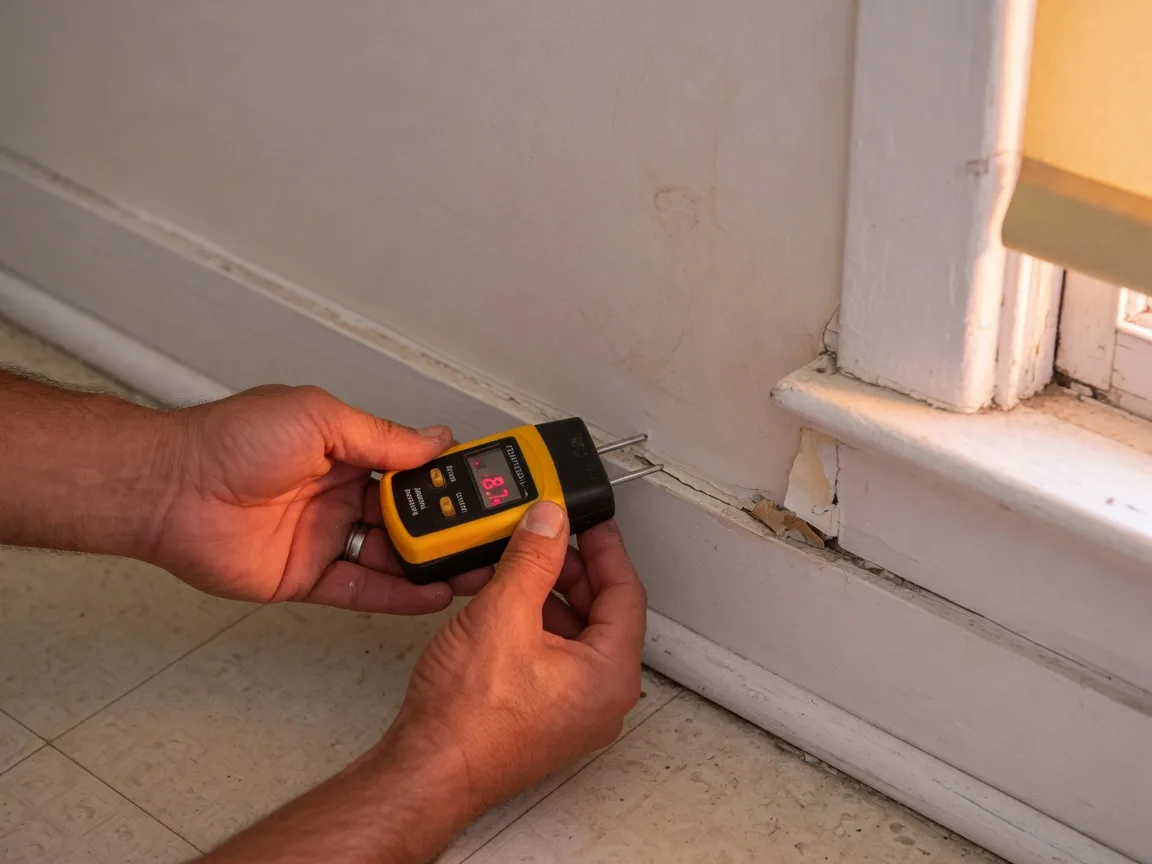
South Jersey's humid summers and wet spring seasons make moisture management a critical concern. Basements and crawl spaces are particularly vulnerable. Inspectors check for signs of moisture intrusion, musty odors, efflorescence (white mineral deposits on foundation walls), and mold growth. Proper grading, functioning gutters, and downspouts that direct water away from the foundation are essential. A dehumidifier in the basement is a common recommendation for South Jersey homes.
Radon Testing
Radon is a naturally occurring radioactive gas that can enter homes through cracks in the foundation. New Jersey has elevated radon levels in many areas, including parts of Burlington County. Radon testing is typically done during the home inspection as an add-on service. The test takes 48 hours to complete. If levels are above 4.0 picocuries per liter, the EPA recommends installing a radon mitigation system. Mitigation typically costs $800 to $1,500 and is highly effective at reducing radon levels.
Additional Local Considerations
Many homes in rural parts of Burlington County use septic systems rather than public sewer. A standard home inspection does not cover septic systems. A separate septic inspection by a licensed professional is essential for homes with septic.
Homes with private wells need water quality testing. In South Jersey, common concerns include bacteria, nitrates, and arsenic. Well water testing is separate from a standard inspection and should be arranged through a certified laboratory.
Termite damage is a concern in South Jersey. Many lenders require a termite inspection as part of the loan process. Wood-destroying insect inspections are typically a separate service, though some inspectors offer a combined package.
Inspection Checklist
Use this checklist to make sure you are fully prepared for your home inspection, whether you are a buyer or a seller.
What to Bring to the Inspection
If you are a buyer attending the inspection, pack a small bag with essentials. Bring a notebook and pen for taking notes. Your phone or a camera for photos is essential, since you will want to remember what the inspector pointed out. Wear comfortable clothing and closed-toe shoes, since you may be climbing into an attic or crawl space. Bring any questions you have written down ahead of time so you do not forget to ask them in the moment.
How to Read the Final Report
When you receive the final report, start by reading the executive summary. Most digital reports include a summary section that lists the most significant findings. Then go through each section of the report in detail. Pay attention to photos and descriptions. Look for the inspector's severity ratings, like "Safety Hazard," "Major Defect," "Minor Repair," or "Maintenance Item." If a finding is unclear, call the inspector. Most are happy to clarify. Share the report with your agent, who will help you understand which items matter for your particular situation and which are standard disclosures that do not affect the value or safety of the home.
Frequently Asked Questions
Honest answers to the questions homeowners and home buyers ask most about home inspections.
How long does a home inspection take?
Do I need to be present for the inspection?
What happens if the inspection finds major problems?
How much does a home inspection cost in South Jersey?
Should sellers get a pre-listing inspection?
What is not covered by a standard home inspection?
Related Homeowner Resources
These guides and resources will help you make informed decisions about your home.
Preparing Your Home to Sell
A complete guide to decluttering, cleaning, repairing, staging, and preparing your South Jersey home for a successful sale.
Read ArticleShould You Replace Your Roof Before Selling?
Deciding whether to replace, repair, or disclose your roof. Covers ROI, buyer perception, and local market factors.
Read ArticleA Closer Look Home Inspections
Bob's trusted home inspection partner serving Burlington County and South Jersey. Professional, thorough, and highly recommended.
Learn More