
Your First 30 Days
as a Homeowner
The keys are in your hand and the excitement is real. Between the celebration and unpacking boxes, this first month sets the tone for years of happy homeownership. Here is exactly what to do, day by day.
Congratulations, you just closed on your home. The keys are in your hand and the excitement is real. After weeks of paperwork, negotiations, and anticipation, you finally have the keys to a place that is yours. It is one of the biggest moments in life, and you deserve to enjoy it.
But between the celebration and unpacking boxes, there is a critical first month that sets the tone for years of happy homeownership. The things you do now will save you money, stress, and headaches down the road. A little planning upfront goes a long way toward making your new house feel like home without costly surprises.
This guide walks you through exactly what to do, day by day, so nothing falls through the cracks. I have helped hundreds of families buy and sell homes throughout Burlington County and South Jersey, and I have seen what happens when new homeowners skip these steps. Use this as your personal welcome manual for the first month in your new home.
The First Day After Closing
Before you move a single box, before you change anything, take time to walk through the empty home with fresh eyes. This is your last chance to see every wall, floor, and ceiling without furniture in the way.
See the home in its empty state. You will notice things you never saw during showings or the final walkthrough.
Flip every switch. Plug a phone charger into every outlet. Run every faucet. Start every appliance. This is your confirmation that everything works as expected.
Sticking windows and doors can indicate settling or foundation movement. Note anything that does not operate smoothly.
This is the single most important thing to know in an emergency. Turn it off and on to be sure it works. Show every member of your household where it is.
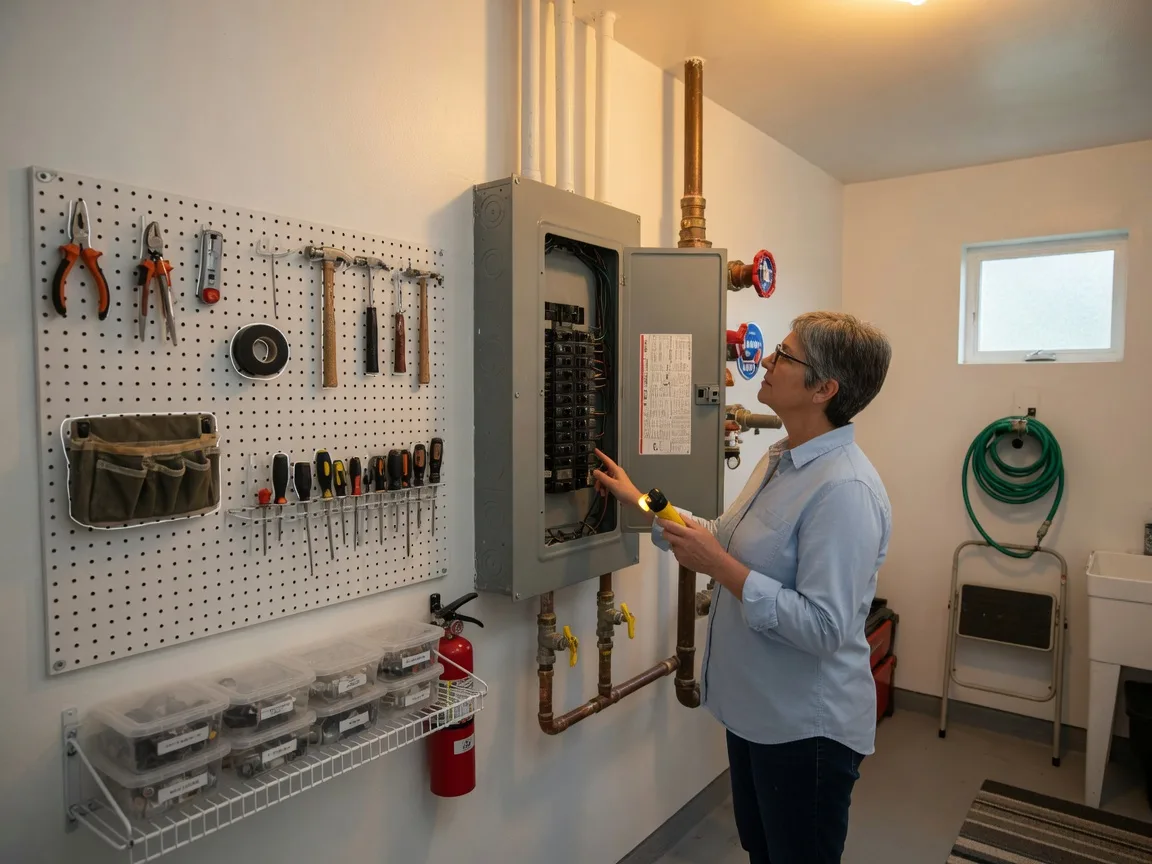
Open the panel and identify which breaker controls which room. Label each circuit clearly before you forget. This will save you hours of frustration later.
If your home uses natural gas, know where the shutoff is and how to turn it off. In South Jersey, South Jersey Gas is the primary provider. Keep a wrench near the shutoff valve.
Photograph every room, every wall, every corner. These time-stamped photos are invaluable for insurance claims and for tracking changes over time.
Secure Your New Home
You have no idea how many copies of your keys exist. Previous owners, contractors, cleaning crews, and neighbors may all have keys to your new home. Take control of access on day one.
Change All Exterior Locks
Rekey or replace every exterior lock on day one. A locksmith can rekey standard locks in under an hour. Do not wait.
Consider Smart Locks
Smart locks let you control access from your phone and create temporary codes for guests, contractors, and service providers.
Change Garage Door Codes
Reset the garage door opener code immediately. The previous owners and anyone they shared the code with still have access.
Check Window Locks
Test every window lock. Replace any that are broken or difficult to operate. Windows are a common entry point for burglars.
Test the Security System
If the home has a security system, test it and learn how it works. Change the master code and update the monitoring account to your name.
Share Keys Only with Trusted Individuals
Be selective about who gets a key. Have a plan for lending keys to contractors and friends, and change codes between projects.
Set Up Utilities
Set up your utility accounts before you need them. In South Jersey, the main providers vary by municipality, so confirm who serves your specific address.
Electric Service
In South Jersey, your electric provider is typically PSE&G or Atlantic City Electric, depending on your location. Set up the account in your name before closing or immediately after. You can usually do this online in minutes.
Gas Service
South Jersey Gas provides natural gas to most of Burlington County and the surrounding area. If your home uses gas for heating, hot water, or cooking, set up your account right away to avoid a lapse in service.
Water and Sewer
Water and sewer service is managed by your local municipality in most of South Jersey. Burlington City, Mount Laurel, Moorestown, Medford, and other towns each have their own water department. Contact your town hall or visit their website to set up your account.
Internet and Cable
Providers like Xfinity, Verizon Fios, and T-Mobile Home Internet serve different parts of South Jersey. Check availability at your address and schedule installation early, since appointment slots can fill up days or weeks in advance.
Trash and Recycling Pickup
Each municipality in Burlington County has its own trash and recycling schedule. Some towns provide bins, others require you to purchase them. Find your pickup day and learn what is accepted. Most towns have bulk pickup or special disposal days for large items.
Update Your Address
Changing your address feels like a small task, but missing one important account can mean missed bills, lapsed insurance, or identity verification issues. Work through this list methodically.
Review Your Homeowners Insurance
Your homeowners insurance is one of the most important documents you will own as a homeowner. Read it now, not after something happens.
Read the entire policy. Understand what perils are covered, what the exclusions are, and what your responsibilities are as the policyholder.
Standard policies typically cover fire, theft, wind, and some water damage. They typically do not cover flood damage, earthquake damage, or routine wear and tear. Know the gaps.
Know your deductible before you file a claim. A $1,000 or $2,500 deductible means you pay that amount out of pocket before insurance kicks in. Some claims are small enough that it is better to pay out of pocket.
Create a home inventory with photos and estimated values of your belongings. Store it in the cloud. This is critical for filing a smooth claim after a fire, theft, or natural disaster.
Know who to call and what to do in the event of a loss. Save your insurance agent's phone number in your phone. Ask about the timeline for claims and how replacement cost versus actual cash value works.
South Jersey is prone to flooding, and standard homeowners insurance does not cover flood damage. If you are in a flood zone, flood insurance through FEMA's NFIP is essential. Even if you are not in a designated zone, heavy storms can cause flooding. Consider it seriously.
Create Your Homeowner Binder
A physical or digital binder with all your home documents in one place will save you hours of searching when you need something important. Start it now and add to it over time.
Appliances, Safety, and HVAC
Your appliances came with warranties for a reason. Register them now, while you still have the paperwork handy. And make sure your home is safe from day one.
Register Appliances and Warranties
Register every major appliance with its manufacturer as soon as you move in. This is often required for warranty coverage and it alerts you to recalls. Note the warranty expiration dates for each appliance and store all receipts and model numbers in your homeowner binder. Refrigerators, dishwashers, washing machines, dryers, water heaters, furnaces, and air conditioners all have manufacturer warranties that are activated by registration.
Safety First
Test every smoke detector and carbon monoxide detector on your first day. Replace any batteries that are low and replace any units that are more than 10 years old. Check the expiration date on your fire extinguisher and make sure there is at least one on every level of the home. Create a fire escape plan with your household and practice it. Identify two ways out of every room. These simple steps could save your life.
HVAC Basics
Replace the HVAC air filter immediately. You do not know when the previous owner last changed it. Learn exactly where the filter is located, what size it is, and buy spares so you always have one ready. Set a recurring monthly calendar reminder to check and replace the filter every 1 to 3 months, depending on the type of filter and whether you have pets. A dirty filter makes your system work harder, raises your energy bills, and can damage the equipment over time.
Find the thermostat and learn how to program it for your schedule. If you have a smart thermostat, download the app and set it up. Then schedule a professional HVAC inspection to have the system cleaned and checked before the heating or cooling season hits. A small investment in maintenance now prevents expensive emergency repairs later.
Build Your Support Network
Every homeowner needs a trusted team of professionals. The best time to find them is before you need them in an emergency.
Emergency Contact List
Build this list now and save it to your phone. Share it with every member of your household.
Find Trusted Local Service Providers
Ask your new neighbors for recommendations. Word of mouth is still the best way to find reliable plumbers, electricians, and handymen. Check the HomeCircle Trusted Partners directory for businesses that Bob has personally vetted and recommended throughout Burlington County and South Jersey. Start building relationships with contractors now, before you need emergency help on a holiday weekend. And keep a running list of every professional you work with, noting who did good work and who to call again.
Document Everything
Documentation is your best friend as a homeowner. You will not remember the paint color code when you need to touch up a wall two years from now. You will not remember the model number of your furnace when it breaks. Write it all down now.
Write down the brand, name, and color code for every painted surface. Take photos of paint can labels. This will save you from making multiple trips to the hardware store trying to match colors.
Snap photos of the model and serial number labels on every major appliance and system. When a part breaks, you will have the exact information a repair tech needs without climbing behind the refrigerator.
Your time-stamped photos are the definitive record of the home's condition when you took ownership. They are your evidence if a dispute arises and they help you track changes over time.
Write down every issue, no matter how small. Note the date, the problem, and what was done to fix it. This log becomes a valuable reference for future maintenance and for resale disclosures.
Build Your Maintenance Calendar
Your home requires regular care, just like your car. Set up monthly reminders for basic tasks like changing HVAC filters and testing smoke detectors. Schedule seasonal maintenance like gutter cleaning in the fall and spring, HVAC tune-ups before summer and winter, and lawn care tasks. Plan for annual professional inspections of your HVAC system, chimney, roof, and septic system if you have one. Use your phone calendar or a home management app to keep everything organized. A few minutes of planning each month prevents costly repairs and extends the life of your home's systems.
Create a Realistic Budget
Homeownership comes with ongoing costs beyond your mortgage payment. Planning for them now prevents financial surprises down the road.
Estimate Monthly Utility Costs
Ask the previous owner for average utility bills for each season. Electric, gas, water, sewer, and trash pickup add up. Your first few months of bills will give you a realistic picture. Adjust your budget accordingly.
Budget for Routine Maintenance
Plan on setting aside 1 to 2 percent of your home's value each year for maintenance and repairs. On a $350,000 home, that is $3,500 to $7,000 annually. Some years you will spend less, some years more. The average evens out over time.
Set Up an Emergency Repair Fund
Keep a separate savings account with at least $2,000 to $5,000 for emergency repairs. A broken furnace in January or a plumbing leak on a Sunday will test your budget. Having cash set aside means you can fix the problem without reaching for a credit card.
Account for Property Taxes
If your property taxes are not escrowed into your mortgage payment, you need to budget for them separately. New Jersey has some of the highest property taxes in the country. Know when your tax bills are due and plan for them.
30-Day Homeowner Checklist
A scannable, printable checklist to keep you on track through your first month.
Days 1 to 3: Secure, Document, Locate
Days 4 to 7: Utilities, Address Changes, Insurance
Days 8 to 14: Safety Checks, HVAC, Emergency Contacts
Days 15 to 21: Service Providers, Registration, Calendar
Days 22 to 30: Budget, Documentation, Settle In
Common Mistakes to Avoid
I have seen these mistakes over and over. A little awareness goes a long way toward avoiding them.
Pro Tips
Small habits that experienced homeowners swear by.
Frequently Asked Questions
Honest answers to the questions new homeowners ask most in their first month.
How soon should I change the locks?
Do I really need to photograph everything?
What if I cannot find the water shutoff?
How much should I budget for the first year?
Should I get a home warranty?
What is the first thing I should fix?
Key Takeaways
Your first 30 days set the foundation for successful homeownership. The work you do now prevents expensive emergencies later.
Secure your home on day one. Change locks, test detectors, and locate every shutoff valve and breaker.
Document everything. Photos, model numbers, paint codes, and receipts are your best friends as a homeowner.
Build your support network before you need it. Find trusted service providers and introduce yourself to neighbors early.
Create systems that keep your home running smoothly. A maintenance calendar, a homeowner binder, and an emergency fund will serve you for years.
Suggested Related Articles
These guides and resources will help you continue building your homeowner knowledge.
Home Improvements That Add the Most Value
A data-driven look at which renovations give you the best return on investment in the South Jersey market.
Read ArticleThe Complete Home Inspection Guide
Everything buyers and sellers need to know about home inspections, from what inspectors examine to how to negotiate after the report.
Read ArticleShould You Replace Your Roof Before Selling?
Deciding whether to replace, repair, or disclose your roof. Covers ROI, buyer perception, and local market factors.
Read Article